.svg)
.svg)


Concrete Floors & Slabs
Concrete floors and slabs built for strength, stability, and long-term performance.
Get a QuoteDurable Concrete Flooring & Structural Slabs
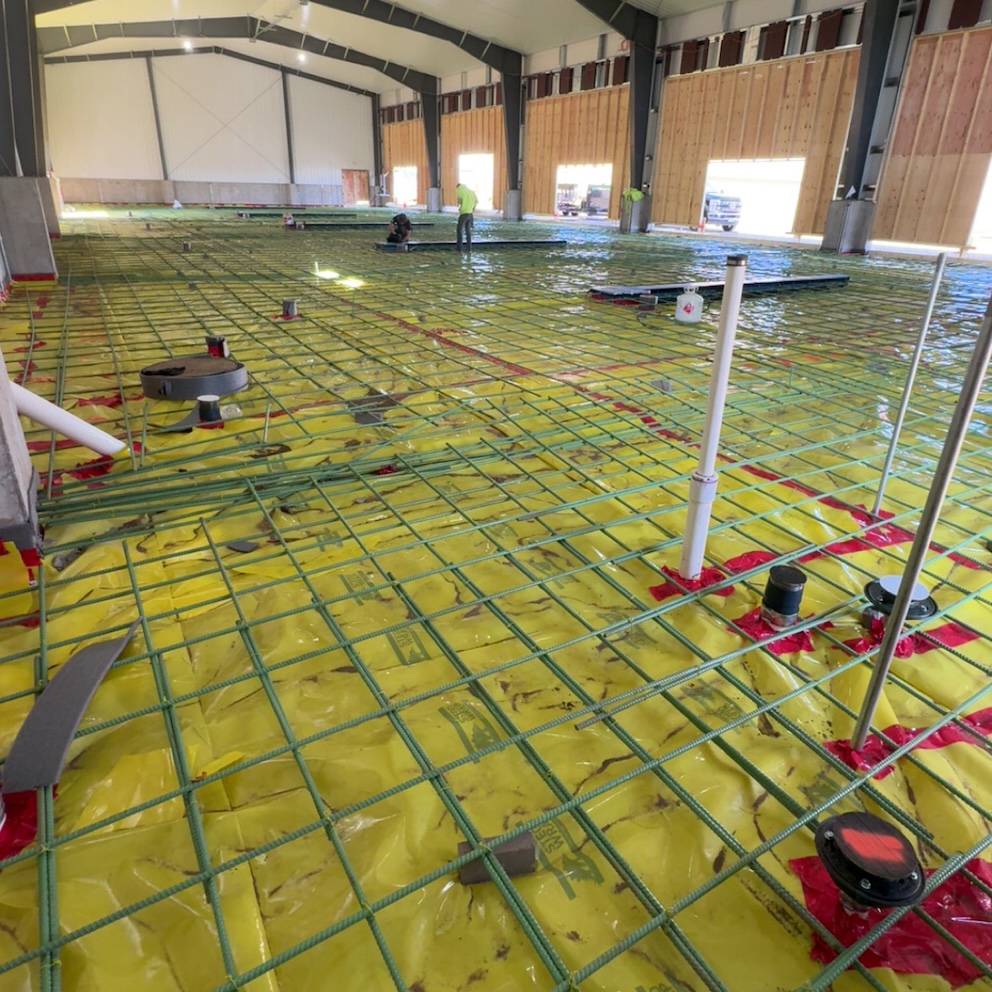
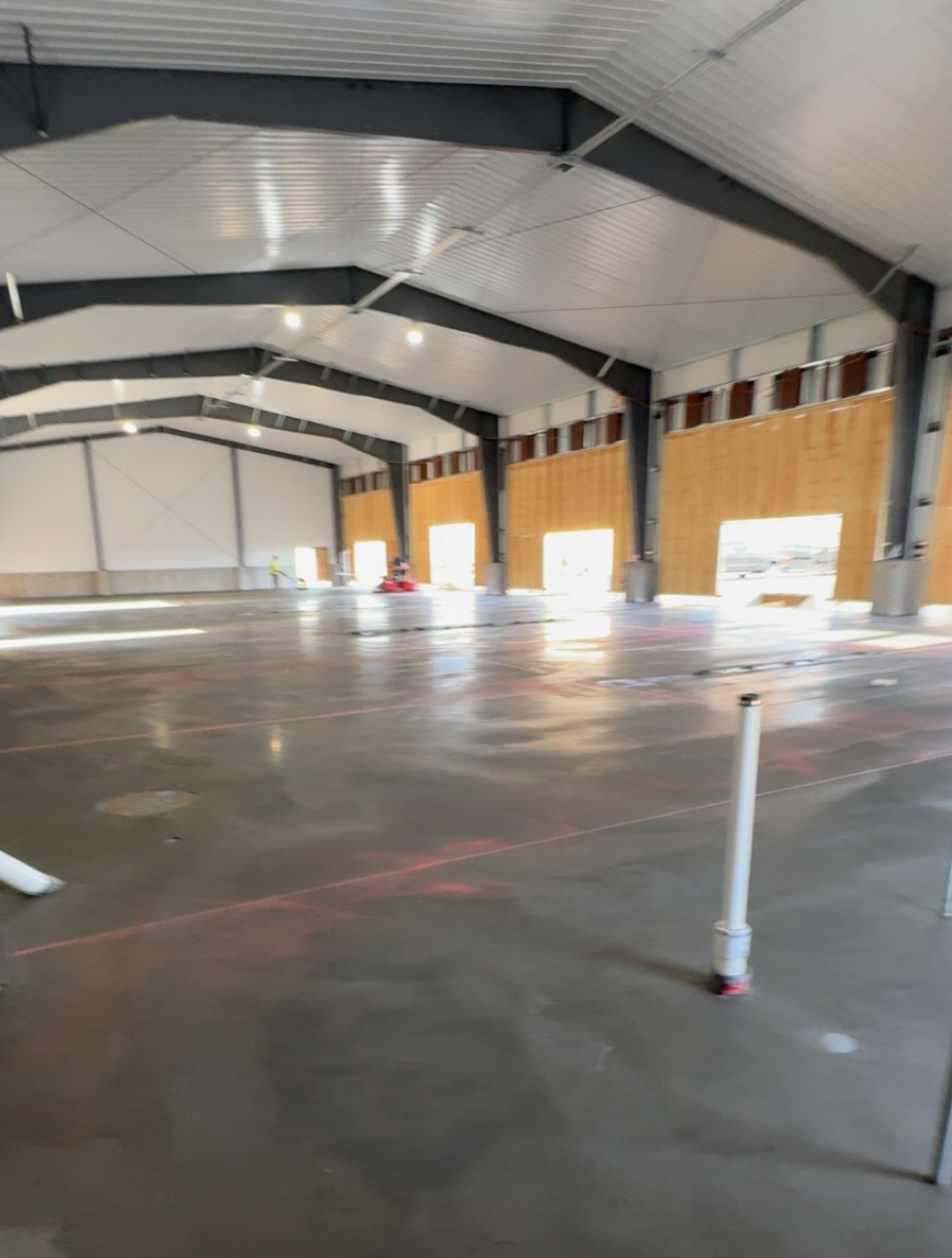
Concrete floors provide the structural foundation for garages, commercial buildings, pole barns, basements, and residential spaces.
At MCM Concrete, we install professionally poured concrete floors and slabs designed to handle Minnesota’s freeze-thaw cycles, heavy loads, moisture exposure, and daily wear — without premature cracking or settling.
Whether you need a concrete garage floor, basement slab, shop floor, or large commercial concrete floor, we deliver accurate grading, proper reinforcement, and long-term performance.
Professional Concrete Floor Contractors in Minnesota
Not all concrete flooring installations are built the same.
With over 25 years of flatwork experience, we understand what causes concrete floors to crack, settle, or deteriorate — and how to prevent it.
Our process focuses on:
- Proper excavation depth
- Stable, compacted base material
- Accurate grading and leveling
- Vapor barriers when required
- Correct slab thickness
- Reinforcement placement
- Clean forming and control joint layout
The result is a concrete floor that stays level, structurally sound, and built for long-term performance.
Concrete Garage Floors Built for Heavy Use
A concrete garage floor must support vehicle traffic, tool storage, equipment loads, and seasonal temperature swings.
We install garage floors with:
- Proper slab thickness for vehicle weight
- Reinforcement to reduce cracking
- Control joints placed for structural performance
- Smooth, clean finishes ready for coatings if desired
Whether for a residential garage or commercial shop, your concrete garage floor is built to handle daily use without shifting or settling.
Concrete Basement Floors & Slabs for Homes
Concrete floors in homes — especially basement slabs — require proper moisture control and subgrade preparation.
We install concrete basement floors with:
- Stable, compacted base material
- Vapor barriers when required
- Accurate leveling for future finished flooring
- Proper joint spacing to manage cracking
A well-installed concrete basement floor provides a solid foundation for finished concrete floors, epoxy coatings, or traditional flooring systems.
Heated Concrete Floors & Radiant-Ready Slabs
Heated concrete floor systems require careful planning before pouring a concrete floor slab.
If your project includes radiant heat tubing, we coordinate:
- Proper insulation below the slab
- Secure placement of tubing
- Reinforcement around heating systems
- Controlled pouring and finishing
A properly installed heated concrete floor improves comfort, energy efficiency, and long-term performance — especially during Minnesota winters.
Commercial Concrete Floors & Structural Slabs
Commercial concrete floors must support heavier loads, equipment, and long-term structural demands.
We install commercial concrete floor systems for:
- Warehouses
- Shops
- Pole barns
- Equipment storage buildings
- Additions and expansions
Each slab is evaluated for load requirements, soil conditions, drainage needs, and reinforcement specifications before pouring begins.
Pouring a Concrete Floor Slab the Right Way
Pouring a concrete floor slab is not just about placing concrete — it’s about preparation, reinforcement, and controlled finishing.
Most slab failures begin below the surface due to:
- Inadequate excavation
- Poor base compaction
- Insufficient slab thickness
- Improper joint placement
We excavate to the appropriate depth, compact a stable aggregate base, and pour to the correct thickness for the intended use.
A solid foundation is what keeps concrete flooring performing long-term.
Finished Concrete Floors & Surface Options
For projects requiring exposed or finished concrete floors, we deliver clean, consistent surfaces ready for:
- Epoxy coatings
- Polished finishes
- Stains or sealers
- Industrial use
Proper finishing techniques improve durability, appearance, and long-term wear resistance.
Built Right the First Time
A properly installed concrete floor supports everything built on top of it.
At MCM Concrete, we focus on durable concrete flooring systems built on proper preparation — not shortcuts.
With over 25 years of experience serving Minnesota property owners, we deliver high-quality concrete floors and slabs that are poured correctly, reinforced appropriately, and built to last.
Frequently Asked Questions
Below are answers to common questions about concrete floors, slab installation, garage floors, basement slabs, and overall project costs in Minnesota.
ContactThe cost of installing a concrete floor or slab depends on: Square footage Thickness requirements Reinforcement specifications Excavation and base preparation Removal of existing concrete Radiant heat preparation Site access and equipment needs In Minnesota, most concrete floors typically range between $7–$14 per square foot, depending on project scope and structural requirements. Commercial or heavy-duty slabs may fall outside this range. We provide clear, straightforward estimates so you know exactly what to expect before work begins.
A 20x20 concrete slab (400 square feet) typically costs between $2,800–$5,600 in Minnesota, depending on thickness, reinforcement, base preparation, and site access. Projects requiring demolition, deep excavation, or additional structural support may fall outside that range.
Concrete should not be poured directly on bare soil without proper preparation. A stable, compacted aggregate base is critical to prevent settling, cracking, and moisture-related issues — especially in Minnesota’s freeze-thaw climate.
Rebar is not always required for a standard 4-inch residential slab, but reinforcement is often recommended depending on load requirements and soil conditions. For garage floors, commercial slabs, or areas supporting heavier weight, reinforcement significantly improves long-term structural performance.